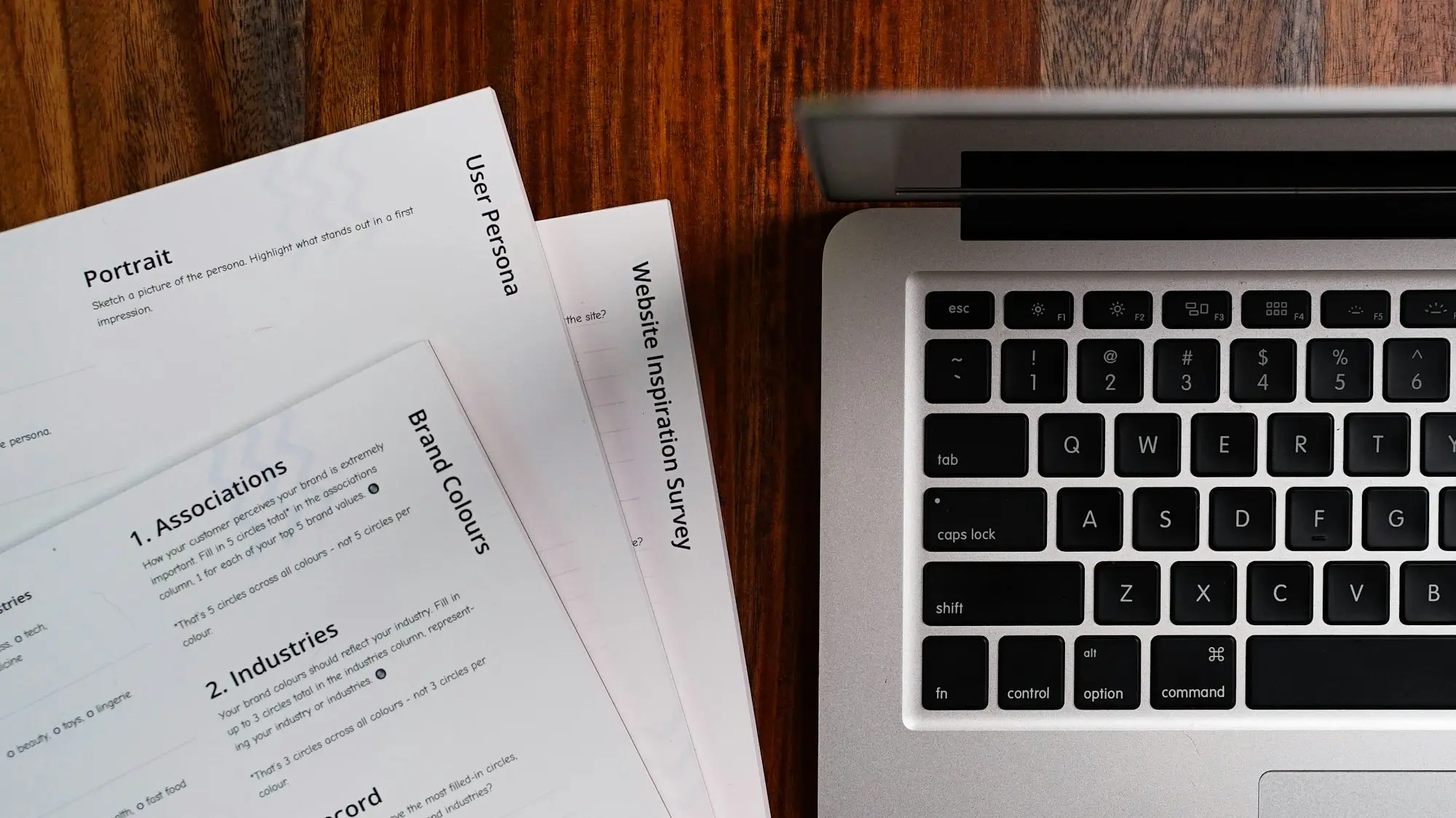
Mr's quick answer
Lenders in both countries want the same kinds of documents with local labels: photo ID for everyone signing, entity details (ABN or NZBN, company or trust documents), six to twelve months of business bank statements, recent tax returns and financial statements, BAS (Australia) or GST returns (New Zealand), a statement from the ATO or IRD showing your tax position, and for property-secured loans, title details, rates notices and current mortgage statements.
Key points
- Same categories everywhere: identity, entity, bank statements, tax, financials, security.
- Australia adds BAS and an ATO portal statement; New Zealand adds GST returns and a myIR statement.
- Six to twelve months of business bank statements is a common starting point.
- Property-secured loans add title details, rates notices, existing mortgage statements and a valuation.
- Tidy, consistent documents speed up any assessment, on either side.
Mr’s briefcase isn’t just for show. Inside, he keeps a very tidy folder, because he’s noticed that the owners who get the quickest, clearest answers from lenders are almost always the ones who can lay their hands on the right documents in five minutes. This guide is that folder, for both sides of the Tasman.
Remember: you don’t need any of this just to enquire. The first step on either country site takes about 60 seconds and involves no credit check. This kit is for the step after that.
The kit at a glance
| Category | Australia | New Zealand |
|---|---|---|
| Identity | Photo ID (licence or passport) for every director, partner and guarantor | Photo ID for every signatory: directors, partners, guarantors |
| Entity | ABN; ACN and company extract; trust deed if relevant | NZBN; Companies Register extract; trust deed if relevant |
| Bank statements | 6 to 12 months of business statements | 6 to 12 months of business statements |
| GST | Recent BAS | Recent GST returns |
| Tax position | ATO portal statement; payment plan details if any | myIR statement; instalment arrangement details if any |
| Financials | Last one or two years’ tax returns and financial statements | Last one or two years’ tax returns and financial statements |
| Current trading | Recent profit and loss, aged receivables and payables | Recent profit and loss, aged receivables and payables |
| Existing debts | Statements for loans, leases, cards | Statements for loans, leases, cards |
| Property (if secured) | Title details, rates notice, current mortgage statement | Record of title, rates notice, current mortgage statement |
Identity: everyone who signs
Lenders in both countries must verify the identity of the people involved: sole traders, every partner, company directors, trustees and anyone giving a guarantee. Keep clear, current copies of photo ID. If a name has changed (marriage, for example), include the linking document.
Entity: who’s actually borrowing
This is about proving the borrowing entity exists and who controls it.
- Australia: your ABN, and for companies the ACN and a current ASIC extract showing directors and shareholders. For a trust, the trust deed and any variations, plus the trustee’s details.
- New Zealand: your NZBN, and for companies a Companies Register extract. For a trust, the trust deed and trustee details.
If your group spans both countries, include a simple diagram showing each entity, its country and its number. Our ABN vs NZBN page explains the identifiers.
Bank statements: the heart of the kit
For most business lending, especially unsecured and cash-flow options (usually between $5,000 and $500,000), bank statements carry the most weight. Six to twelve months of business account statements is a common starting point on both sides.
Before you send them, check:
- Are they complete? Every page, every account the business uses.
- Do they match the story? Turnover on the statements should roughly match what you’ve said on the form and in your BAS or GST returns.
- Are there surprises? Dishonours, overdrawn days or large unexplained transfers. If there are, write a one-line explanation.
Kit coming together? The next step is a quick chat with a real person on your side of the Tasman, and it starts with no credit check. Choose your country and start a 60-second enquiry.
Tax: show where you stand
Lenders want to see that tax is lodged and either paid or under control.
- Australia: recent BAS, a current statement from ATO online services, and if you have a payment plan, the plan details and evidence of payments.
- New Zealand: recent GST returns, a myIR statement, and if you have an instalment arrangement, its details and payment history.
Tax debt is considered case by case on both sides. What makes the biggest difference is transparency: a debt under a formal arrangement that you’re keeping to reads very differently from a surprise. See ATO vs IRD for how each arrangement works.
Financials: the bigger picture
Most lenders like to see the last one or two years’ tax returns and financial statements, plus something more recent: year-to-date P&L and balance sheet reports from your accounting software, and aged receivables and payables.
Remember the year-ends differ: 30 June in Australia and, usually, 31 March in New Zealand. If your latest annual accounts are many months old, recent management reports fill the gap.
Existing debts
List every business debt: loans, equipment finance, leases, overdrafts, credit cards and any private loans. Include current statements. Lenders will find them anyway (through credit reports and bank statements), so it’s better to present them yourself, neatly.
Property: for secured loans
If you’re offering property as security (between $20,000 and $5,000,000 on either side), add:
- title details (Australia: from the state or territory registry; New Zealand: the record of title from LINZ);
- a recent rates notice;
- your most recent home loan or mortgage statement; and
- details of who owns it, especially if it’s a trust, a company or a co-owner.
The lender will usually arrange a valuation. Our property security side by side explains first mortgages, second mortgages and caveats.
Purpose and plan
Finally, a short note, not a novel:
- What you need the money for.
- How much, and when.
- How it will be repaid.
- Anything unusual the lender should know.
Lenders on both sides appreciate a clear purpose. “Pay the GST bill and fund stock for the summer peak, repaid from December trading” tells them more than “working capital”.
How to organise the folder
A good kit isn’t just complete; it’s easy to read. Mr’s filing system works for paper and digital folders alike:
- 01 Identity — one file per person, named clearly.
- 02 Entity — business number, register extract, trust deed, group diagram.
- 03 Bank statements — one file per account, in date order, full months only.
- 04 Tax — BAS or GST returns, ATO or myIR statement, arrangement details.
- 05 Financials — annual accounts, tax returns, year-to-date reports.
- 06 Debts — a one-page list plus statements.
- 07 Property — title, rates, mortgage statements (secured loans only).
- 08 Purpose — your short note on what, how much, when and how repaid.
Name files with the entity, the document and the date, for example “NZ-company-GST-return-Sep-2026”. Keep a version for each country if your group spans both, because lenders on each side will want the documents for their own borrower first.
Update the folder monthly. Adding last month’s bank statement and a fresh tax statement takes ten minutes, and it means you’re always ready when an opportunity, or a surprise bill, turns up.
Illustrative example
Illustrative only. A Hamilton electrical contractor with a small Brisbane branch wants funding for equipment. She builds two folders: one for the New Zealand company (NZBN, register extract, 12 months of statements, GST returns, myIR statement, financials) and a lighter one for the Australian branch. Because the New Zealand company is the borrower and her home in Hamilton is the security, she starts on the New Zealand side, and the lender has everything it needs within a day of asking.
What if something is missing?
Don’t let one missing document stop you. Tell the person you’re dealing with what you have, what you don’t, and when you expect it. A gap that’s explained upfront is a small thing; a gap discovered halfway through an assessment is a much bigger one. Often there’s an alternative document that does the same job.
Common slip-ups
- Sending personal statements when the business is a company.
- Missing pages, or one account out of three.
- Old tax statements that don’t show recent payments.
- Unexplained cross-border transfers between group entities.
- Forgetting a co-owner on the property title.
Ready when your folder is
You don’t need a perfect folder to start, just an honest one. When you’re ready, the first step is a short enquiry that doesn’t involve a credit check, isn’t sprinkled across multiple lenders, and is read by a real person in your country who’ll tell you exactly what’s needed next. Fill the form in accurately and you’ll be matched properly from the outset. Choose Australia or New Zealand to start.
Frequently asked questions
Do I need all these documents just to enquire?
No. Enquiring with Mr's country sites takes about 60 seconds and doesn't involve a credit check. Documents come later, once you know which option fits. Having them ready simply makes the next steps quicker.
What if my tax returns aren't up to date?
Say so upfront. Lenders in both countries consider it case by case, but they need a clear picture. Some options rely more on bank statements and property security than on recent returns. Getting overdue returns lodged usually helps any application.
Will a lender accept accounting software reports?
Often, as a supplement. Profit and loss, balance sheet and aged receivables reports from your accounting software can help, especially for recent months. Most lenders still want bank statements and tax documents to confirm the figures.
Does a trust need extra documents?
Yes. Expect to provide the trust deed and any amendments, details of the trustee (and the trustee company's directors if there is one), and ID for the people behind it. The lender checks the trustee has the power to borrow and give security.
How should I send documents securely?
Use the secure method the lender or broker provides, rather than ordinary email where possible. Never send documents to anyone you haven't verified.